
MenB
Meningococcal B
MenB safety surveillance studies conducted following immunization with Meningococcal Serogroup B vaccine
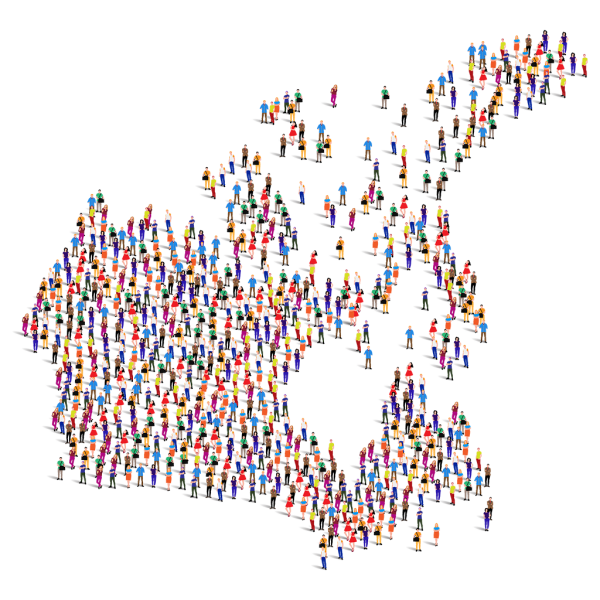
Location: Quebec
Research
Summaries
Following an outbreak of meningococcal disease, specifically Neisseria meningitidis serotype B, at a small university, a vaccination program using the 4-component Meningococcal B (4CMenB) vaccine was initiated. Due to limited data on reactogenicity (reactions to vaccines) in adults over 17-years-old, a study conducted rapid online surveillance of health events in vaccine recipients and unvaccinated controls. Vaccine uptake was high, with significant numbers reporting new or worsened health issues after vaccination, particularly affecting daily activities and leading to medical visits. Common reactions included injection site issues, but no hospitalizations occurred. The surveillance successfully detected higher rates of health events in the vaccinated group compared to controls, indicating effective monitoring during the emergency vaccination campaign. For further details on this study, please click the following link:
A mass vaccination campaign using the 4-component Meningococcal B (4CmenB) vaccine was conducted in a region endemic to serogroup B meningococcal disease in Quebec. A study assessed parent and adolescent opinions about the vaccine’s acceptability before and after the campaign through telephone surveys. The second survey revealed that 82.5% of children and 58.7% of adolescents were fully vaccinated. Intentions expressed before the campaign were positively associated with actual vaccination rates afterward. Protection against meningococcal diseases was the primary motivation for completing the vaccine series. Reasons for vaccine refusal or incomplete vaccination included lack of time, interest, or information. About half of vaccine recipients reported adverse events, with pain at the injection site and fever being the most common. Interestingly, negative perceptions about vaccine safety or experiencing adverse events were not linked to vaccine refusal. For full details on this study, please click the following link:
A mass vaccination campaign using the 4-component Meningococcal B (4CmenB) vaccine was launched in an area in Quebec where serogroup B, (one of the five major serogroups of meningococcal disease), is common. A telephone survey assessed parental and adolescent opinions about the vaccine’s acceptability. The majority of parents (93%) and adolescents (75%) expressed intent to receive or had received the vaccine. Most respondents perceived meningitis as a serious disease and considered the 4CMenB vaccine to be safe and effective. Self-protection was the primary reason for positive vaccination intentions or behavior. Parents who did not intend to vaccinate cited a negative attitude toward vaccination, while adolescents mentioned lack of interest, time, or information, and underestimated disease severity as reasons for not intending to be vaccinated or not being vaccinated. For full details on this study, please click the following link:
As with any events reports, not all symptoms reported may be caused by the vaccine. They may be coincidental and/or due to other causes.
